The Power of Patient Engagement: Strategies for Building Stronger Doctor-Patient Relationships

Introduction
Patient engagement is a fundamental aspect of modern healthcare. The days of passive patients simply following their doctors' orders are long gone. Today, healthcare providers recognize the importance of active patient involvement in their own care. The relationship between doctors and patients has evolved, becoming more collaborative and focused on shared decision-making.
In this comprehensive guide, we will explore the power of patient engagement and provide strategies for building stronger doctor-patient relationships. We will delve into the benefits of patient engagement, examine the challenges, and offer practical advice for both healthcare providers and patients. By the end of this article, you will have a deep understanding of how patient engagement can lead to better healthcare outcomes and improved patient satisfaction.
Table of Contents
-
The Evolution of Doctor-Patient Relationships
- From Paternalism to Partnership
- The Information Age and Informed Patients
-
Benefits of Patient Engagement
- Improved Health Outcomes
- Enhanced Patient Satisfaction
- More Efficient Healthcare Delivery
-
Challenges in Patient Engagement
- Time Constraints
- Health Literacy
- Technological Barriers
-
Strategies for Building Stronger Doctor-Patient Relationships
- Effective Communication
- Shared Decision-Making
- Leveraging Technology
- Encouraging Patient Self-Advocacy
- Cultivating Empathy and Trust
-
Patient Engagement in Chronic Disease Management
- Diabetes
- Hypertension
- Cardiovascular Disease
-
Overcoming Common Patient Engagement Myths
- Patient Engagement Equals Noncompliance
- It's Too Time-Consuming
- Patients Don't Want to Be Involved
-
Empowering Patients: What Patients Can Do
- Understanding Health Conditions
- Asking Questions
- Adhering to Treatment Plans
-
The Future of Patient Engagement
- Artificial Intelligence in Healthcare
- Telemedicine and Remote Monitoring
- Personalized Medicine
-
Conclusion: The Path to Better Healthcare through Patient Engagement
1.The Evolution of Doctor-Patient Relationships
In the not-so-distant past, doctor-patient relationships were characterized by a model of care known as paternalism. In this traditional model, healthcare providers, primarily physicians, held the authority and made decisions about patients' care without significant input from the patients themselves. Patients, often uninformed about medical matters, were expected to passively follow their doctors' directives.
However, this model began to shift with the advent of the Information Age. The rise of the internet, easily accessible medical information, and online patient communities changed the dynamics of healthcare. Patients now had access to a wealth of information about health conditions, treatment options, and even the latest medical research. This newfound knowledge empowered patients and led to a shift from passive recipients of care to active participants in their healthcare decisions.
As patients became more informed, they developed a desire to be actively involved in their healthcare. They started asking questions, seeking second opinions, and discussing treatment options with their healthcare providers. This change marked the evolution of doctor-patient relationships from paternalism to partnership.
In today's healthcare landscape, patients and healthcare providers collaborate to make informed decisions about care. The doctor's role has transformed into that of an advisor or guide, providing expertise and recommendations while respecting the patient's autonomy and choices. This paradigm shift reflects the understanding that patients have unique insights into their own health and well-being and should have a say in decisions about their care.
Key aspects of this evolved doctor-patient relationship include:
-
Informed Decision-Making: Patients are encouraged to actively seek out information about their health conditions, treatment options, and potential risks and benefits. Informed patients are better equipped to participate in meaningful discussions about their care.
-
Shared Decision-Making: In a collaborative approach, both patients and healthcare providers share the responsibility for decision-making. Patients express their preferences and values, and healthcare providers offer their expertise to guide patients toward choices aligned with their goals.
-
Patient-Centered Care: Healthcare providers recognize the importance of tailoring care to meet each patient's unique needs, preferences, and values. This personalized approach leads to better patient experiences and outcomes.
-
Empowerment: Patients are encouraged to advocate for themselves, voice their concerns, and actively participate in discussions about their health. Empowered patients often experience a sense of ownership over their healthcare journey.
The transition from paternalism to partnership represents a profound and positive shift in the healthcare landscape. It fosters trust, mutual respect, and open communication between patients and their healthcare providers. The result is a healthcare system that is better equipped to meet patients' needs and provide care that is truly patient-centered.
This chapter sets the stage for the rest of the guide, emphasizing the importance of the modern doctor-patient relationship, which is characterized by collaboration, active involvement, and shared decision-making. Patient engagement, as we will explore further, is at the core of this new relationship, offering benefits to both healthcare providers and patients alike.
2.Benefits of Patient Engagement
The doctor-patient relationship is the cornerstone of healthcare, and when it's strong, it yields numerous benefits for both patients and healthcare providers. In this chapter, we'll delve into the advantages of fostering robust doctor-patient relationships.
-
Improved Health Outcomes:
Research consistently shows that patients who have strong, collaborative relationships with their healthcare providers experience better health outcomes. They tend to adhere to treatment plans more faithfully, which leads to better management of chronic conditions, shorter hospital stays, and a faster recovery from illness or surgery. This underscores the significance of the partnership model of care, where patients actively participate in their healthcare decisions.
-
Enhanced Patient Satisfaction:
A strong doctor-patient relationship often translates to higher levels of patient satisfaction. Patients who feel heard, respected, and involved in their care tend to be more content with their healthcare experiences. They are more likely to express their concerns, ask questions, and share relevant information with their healthcare providers, which, in turn, enables more personalized care.
-
Effective Communication:
Effective communication is at the heart of a strong doctor-patient relationship. When patients feel comfortable discussing their health concerns, they can provide vital information about their symptoms, lifestyle, and preferences. Healthcare providers, in turn, can offer clear explanations, answer questions, and discuss treatment options. This open dialogue ensures that patients are well-informed, which is crucial for making sound healthcare decisions.
-
Increased Adherence to Treatment Plans:
Patients who have positive relationships with their healthcare providers are more likely to follow prescribed treatment plans. This includes taking medications as directed, following recommended dietary and lifestyle changes, and attending follow-up appointments. Improved adherence contributes to better health outcomes and a reduced risk of complications.
-
Emotional Support:
Serious medical conditions can take a toll on patients emotionally. Healthcare providers who develop strong relationships with their patients can offer not only medical expertise but also emotional support. This empathetic approach can alleviate patient anxiety, depression, and stress, contributing to a more holistic approach to care.
-
Empowerment:
A strong doctor-patient relationship empowers patients to actively engage in their healthcare decisions. Patients feel that they have a voice in their care, and their choices are respected. This empowerment fosters a sense of control and ownership over their health, which is beneficial for overall well-being.
-
Reduced Healthcare Costs:
Improved health outcomes, enhanced adherence to treatment plans, and fewer hospital readmissions all contribute to reduced healthcare costs. A strong doctor-patient relationship can help mitigate the financial burden associated with healthcare, both for patients and healthcare systems.
-
Preventative Care and Health Education:
In strong doctor-patient relationships, healthcare providers can better emphasize the importance of preventative care and health education. Patients are more likely to follow advice regarding screenings, vaccinations, and healthy living when they trust and respect their healthcare providers.
-
Professional Satisfaction:
A mutually respectful relationship is not only beneficial to patients but also to healthcare providers. Doctors and other providers who experience positive interactions with their patients often report higher job satisfaction and lower levels of burnout.
-
Legal Protection:
In situations where adverse events occur, strong doctor-patient relationships can provide legal protection. When patients are actively involved in their care and are aware of potential risks and benefits, they are less likely to bring malpractice claims against their healthcare providers.
The benefits of strong doctor-patient relationships are far-reaching and support the delivery of patient-centered care. In the following chapters, we will explore strategies for building and maintaining these vital relationships, along with the role of patient engagement in the healthcare landscape.
3.Challenges in Patient Engagement
While the benefits of patient engagement are clear, healthcare providers encounter several challenges when striving to enhance patient participation in their care. In this chapter, we'll delve into these challenges and explore potential strategies to overcome them.
-
Health Literacy: One of the most fundamental challenges in patient engagement is health literacy. Many patients may struggle to understand complex medical jargon, treatment options, or the nuances of their conditions. This knowledge gap can hinder their ability to actively engage in decision-making processes. To address this, healthcare providers must focus on clear and patient-friendly communication. Strategies include using plain language, visual aids, and involving family members or caregivers in discussions to help patients grasp the information.
-
Time Constraints: Both patients and healthcare providers often face time constraints during medical appointments. Physicians might have limited time to spend with each patient due to high patient loads. This can result in rushed discussions and hinder in-depth conversations about treatment plans or lifestyle changes. To mitigate this challenge, providers can consider longer appointment times for patients with complex conditions. Additionally, telemedicine can offer a convenient platform for extended discussions.
-
Technological Barriers: While technology can significantly enhance patient engagement, it can also pose challenges for some patients. Those who lack access to smartphones or computers, struggle with digital literacy, or have limited internet connectivity may find it difficult to engage through telehealth or patient portals. Healthcare providers must ensure that alternative communication channels, such as phone calls or in-person visits, are available for patients facing these technological barriers.
-
Patient Resistance: Some patients may initially resist active engagement in their care, preferring a more passive role. This resistance could stem from cultural factors, fear, or a lack of awareness about the benefits of engagement. Providers must adopt a patient-centered approach and encourage patients at their own pace, gradually involving them in decision-making processes and self-management.
-
Data Privacy and Security Concerns: Patients are understandably concerned about the privacy and security of their health information. Worries about data breaches or misuse of personal information can discourage patients from fully engaging in digital platforms like patient portals. Providers must prioritize robust data security measures, including encryption and compliance with healthcare data regulations such as HIPAA.
-
Provider Workflow: For healthcare providers, integrating patient engagement strategies into their existing workflows can be challenging. Electronic health record (EHR) systems may not seamlessly support patient engagement initiatives, leading to inefficiencies. The solution is to invest in EHR systems that prioritize patient engagement, streamlining data sharing, secure communication, and patient education within the platform.
-
Interoperability Issues: In a fragmented healthcare system, interoperability remains a significant challenge. Patient data stored in different systems or by different providers can hinder holistic care. Efforts should be made to promote interoperability standards and ensure that patient information can be easily shared between providers, fostering a more comprehensive approach to patient care.
-
Patient Demographics: Patient engagement strategies must be sensitive to demographic diversity. Different patient populations may have unique cultural backgrounds, languages, and health beliefs. Providers should tailor engagement approaches to suit these demographics, offering multilingual resources and culturally competent care.
-
Patient Engagement Education: Patients require education about the importance of engagement and how to actively participate in their care. Healthcare providers should invest in patient education programs, providing resources and support to enhance patient understanding and self-advocacy.
-
Economic Barriers: The cost of healthcare, including medications and treatment, can discourage patients from adhering to treatment plans or actively participating in their care. By exploring cost-effective treatment options, involving patients in shared decision-making about their care expenses, and providing resources for financial assistance, healthcare providers can help mitigate these economic barriers.
-
Patient Follow-Up: After initial consultations, patient follow-up is crucial. Patients may disengage when they feel that their care is not continuously monitored. Implementing regular check-ins and follow-up appointments, either in-person or through telemedicine, can reinforce patient engagement.
-
Provider Engagement: Successful patient engagement often relies on provider engagement. Healthcare professionals must be motivated and committed to fostering patient participation. Institutions can offer training and support to help providers enhance their patient engagement skills.
By addressing these challenges head-on and implementing patient-centered strategies, healthcare providers can overcome barriers to patient engagement and create a healthcare environment that truly values and promotes active patient involvement in their care. In the next chapter, we will explore how technology can be leveraged to address some of these challenges and enhance patient engagement.
4.Strategies for Building Stronger Doctor-Patient Relationships
In the previous chapters, we've highlighted the importance and benefits of strong doctor-patient relationships. Now, we'll explore practical strategies for healthcare providers to build and nurture these critical connections. Here are some actionable approaches:
-
Effective Communication:
The foundation of any robust doctor-patient relationship is effective communication. Healthcare providers should actively listen to their patients, encourage them to ask questions, and provide clear and understandable explanations. Moreover, it's essential to adapt communication styles to suit individual patient needs. Some patients may prefer more details, while others might prefer concise information.
-
Empathy and Compassion:
Empathy plays a significant role in building trust. Healthcare providers should demonstrate understanding and compassion for their patients' physical and emotional concerns. Patients are more likely to open up and follow recommended treatments when they feel their healthcare provider genuinely cares about their well-being.
-
Shared Decision-Making:
Shared decision-making involves patients and healthcare providers collaborating to make healthcare choices. This approach empowers patients to actively participate in their care by discussing treatment options, benefits, and potential risks. It's important to involve patients in the decision-making process, especially when there are multiple treatment options available.
-
Respect for Patient Autonomy:
Respect for patient autonomy is a fundamental ethical principle in healthcare. This means that patients have the right to make decisions about their care based on their values and preferences. Healthcare providers should provide guidance and information, but ultimately, the patient's choices should be respected.
-
Cultural Competence:
Understanding the cultural backgrounds, values, and beliefs of patients is crucial in providing patient-centered care. Being culturally competent enables healthcare providers to communicate effectively and deliver care that respects individual cultural perspectives.
-
Patient Education:
Providing patients with accurate and understandable information about their health conditions and treatment options is essential. This empowers patients to take an active role in their care. Visual aids, written materials, and educational resources can enhance the learning experience.
-
Transparency:
Transparency in healthcare fosters trust. Patients should be informed about their treatment plans, expected outcomes, and potential risks. It's also important to address any mistakes or adverse events openly and honestly, which can help maintain trust even in challenging situations.
-
Consistency and Reliability:
Healthcare providers should strive to be consistent and reliable in their interactions with patients. This includes keeping appointments on time, following up as promised, and providing clear instructions for follow-up care.
-
Digital Communication:
With the rise of telehealth and digital healthcare solutions, providers should use these tools to maintain open lines of communication with patients. Virtual visits, secure messaging, and patient portals allow for convenient communication, particularly for routine check-ins and follow-ups.
-
Continuing Medical Education:
Healthcare providers should stay updated on the latest medical advancements and healthcare technologies. This knowledge not only enhances the quality of care but also instills confidence in patients.
-
Personalized Care Plans:
Each patient is unique, and their care plans should reflect this individuality. Tailoring treatment plans to meet patients' specific needs and preferences demonstrates a commitment to their well-being.
-
Feedback and Improvement:
Encourage patients to provide feedback on their healthcare experiences. Listening to their input and making improvements based on their suggestions demonstrates responsiveness to their needs.
-
Ethical Considerations:
Upholding medical ethics is essential for building trust. Patients must have confidence that their healthcare providers prioritize their well-being and adhere to ethical standards.
-
Conflict Resolution:
In situations where disagreements or misunderstandings arise, healthcare providers should have conflict resolution skills to address issues while preserving the doctor-patient relationship.
By implementing these strategies, healthcare providers can strengthen their doctor-patient relationships, ultimately resulting in improved patient outcomes and increased satisfaction. These relationships are essential for the delivery of patient-centered care and should be continually nurtured and developed.
5.Patient Engagement in Chronic Disease Management
Chronic diseases, which include conditions such as diabetes, hypertension, heart disease, and asthma, are long-lasting health issues that require ongoing management. These conditions often necessitate consistent monitoring, medication, lifestyle adjustments, and regular medical appointments. Effective patient engagement is especially crucial in chronic disease management, as it can significantly impact a patient's quality of life and health outcomes.
-
Understanding the Complexity of Chronic Diseases: To facilitate patient engagement in the management of chronic diseases, it's essential to acknowledge the multifaceted nature of these conditions. Chronic illnesses often require patients to grasp complex treatment regimens, adhere to medication schedules, make dietary and exercise modifications, and manage symptoms. Recognizing the emotional toll of living with a chronic condition is equally important. Therefore, healthcare providers must adopt a patient-centered approach, ensuring that patients understand the intricacies of their condition and empowering them to play an active role in their care.
-
Patient Education and Self-Management: Education is a cornerstone of patient engagement in chronic disease management. Patients need to comprehend their condition, potential complications, and the importance of adhering to treatment plans. Healthcare providers should take the time to explain these factors clearly and address any questions or concerns. Moreover, they can provide resources, such as written materials, digital tools, and access to support groups, to aid patients in their self-management journey.
-
Shared Decision-Making: Collaborative decision-making between patients and healthcare providers is particularly relevant in chronic disease management. Patients should be encouraged to voice their treatment preferences and concerns. Providers can offer evidence-based recommendations while considering the patient's values and goals. Together, they can develop a personalized care plan that patients are more likely to adhere to because they were involved in shaping it.
-
Regular Monitoring and Feedback: Patients with chronic diseases often benefit from regular monitoring. This includes tracking vital signs, laboratory results, and disease-specific indicators. Tools like wearable devices and telemedicine platforms make remote monitoring more accessible, enabling healthcare teams to collect real-time data. Regular feedback sessions allow providers to discuss progress, adjust treatment plans, and celebrate achievements. For patients, this continuous monitoring can offer reassurance and motivation.
-
Medication Management: Medication adherence is a critical aspect of chronic disease management. Healthcare providers should work with patients to simplify medication regimens whenever possible and address any obstacles to adherence. They can educate patients about the significance of adhering to prescribed medications and offer tools such as medication reminders or pill organizers to aid compliance.
-
Lifestyle Modification Support: Lifestyle factors, including diet and exercise, play a substantial role in managing many chronic diseases. Providers can assist patients by offering dietary guidance, exercise recommendations, and resources for stress management. Encouraging small, sustainable lifestyle changes can lead to significant improvements in a patient's condition.
-
Emotional and Psychological Support: Living with a chronic disease can take an emotional toll. Feelings of anxiety, depression, and frustration are not uncommon. Healthcare providers should be attuned to the emotional well-being of their patients, offering mental health resources and support when necessary. Social support and involvement in support groups can also help patients cope with the emotional challenges of chronic illness.
-
Access to Telemedicine and Digital Health Tools: Telemedicine has become an invaluable resource in chronic disease management. It offers patients the convenience of virtual visits, remote monitoring, and timely access to healthcare providers. Additionally, digital health tools, such as mobile apps and patient portals, enable patients to actively engage in their care by tracking their progress and accessing educational materials.
-
Preventive Care and Early Intervention: Preventive care and early intervention are crucial in managing chronic diseases. Providers should emphasize regular check-ups and screenings to detect potential complications early. Identifying issues before they escalate can lead to more effective interventions and improved long-term outcomes.
-
Long-Term Relationship Building: Building a strong, long-term patient-provider relationship is foundational in chronic disease management. This relationship fosters trust, open communication, and continuity of care. Patients who feel heard and valued by their healthcare team are more likely to engage in their treatment and make necessary lifestyle adjustments.
In summary, patient engagement in chronic disease management is a multifaceted approach that requires clear communication, education, shared decision-making, and the use of digital health tools and support resources. By implementing these strategies, healthcare providers can empower patients to actively manage their chronic conditions, leading to improved health outcomes and a better quality of life.
6.Overcoming Common Patient Engagement Myths
Patient engagement has gained considerable attention in the healthcare sector due to its potential to improve healthcare outcomes and enhance patient experiences. However, several myths and misconceptions persist, which can hinder the effective implementation of patient engagement strategies. In this chapter, we will address and dispel these common myths to help healthcare providers and organizations embrace patient engagement more effectively.
Myth 1: Patient Engagement Is Solely About Technology
While technology, such as patient portals and mobile apps, plays a crucial role in patient engagement, it's not the sole component. Patient engagement encompasses a wide range of activities, from improving communication to shared decision-making and patient education. It's about creating a healthcare environment where patients are active participants in their care, and technology is just one tool to facilitate this engagement.
Myth 2: Patient Engagement Is Only for Younger Generations
A common misconception is that patient engagement efforts primarily cater to tech-savvy younger generations. In reality, patient engagement strategies are beneficial for patients of all age groups. Tailoring engagement methods to meet the preferences and needs of different generations is key to successful engagement. For example, while younger patients may prefer digital tools, older patients may appreciate more traditional communication methods, like phone calls or in-person discussions.
Myth 3: Patient Engagement Is Expensive
Implementing patient engagement strategies need not be exorbitantly expensive. While there might be an initial investment in technology and training, the long-term benefits of improved health outcomes and patient satisfaction often outweigh the costs. Additionally, some patient engagement methods, like clear communication and shared decision-making, rely on better practices rather than significant financial resources.
Myth 4: Patients Aren't Interested in Engagement
Some providers believe that patients are not interested in engaging in their care. This myth couldn't be further from the truth. Most patients want to be informed, involved, and heard. They appreciate healthcare providers who take the time to explain their conditions, treatment options, and involve them in decision-making. The challenge lies in creating a healthcare environment that actively encourages and supports patient engagement.
Myth 5: Patient Engagement Can't Be Measured
Measuring patient engagement can be complex, but it's not impossible. Various metrics and tools, like patient satisfaction surveys, health outcome measures, and technology usage data, can provide insights into the level of patient engagement. Understanding the impact of engagement efforts helps healthcare providers tailor their strategies for better results.
Myth 6: Patient Engagement Is a One-Size-Fits-All Approach
Another misconception is that patient engagement strategies are universally applicable to all patients. In reality, effective patient engagement often requires a personalized approach. Healthcare providers need to consider individual patient preferences, health literacy levels, and cultural backgrounds. Tailoring engagement efforts ensures they resonate with each patient and lead to more meaningful interactions.
Myth 7: Patient Engagement Is a One-Time Activity
Patient engagement is an ongoing process, not a one-time activity. It extends throughout the patient's healthcare journey, from diagnosis to treatment and follow-up care. Effective engagement requires continuous communication, education, and support to maintain a strong patient-provider relationship.
Myth 8: Only Healthcare Providers Can Drive Patient Engagement
Patient engagement is a collaborative effort between healthcare providers and patients themselves. Both parties play crucial roles in fostering engagement. While healthcare providers should create an environment conducive to engagement, patients also need to take an active role in their care. Patients can ask questions, adhere to treatment plans, and communicate their preferences to enhance the engagement experience.
In summary, dispelling these common myths is essential for effectively implementing patient engagement strategies. By understanding that patient engagement is not solely reliant on technology, is relevant to all age groups, doesn't have to be expensive, and should be personalized and continuous, healthcare providers and organizations can enhance patient experiences, improve healthcare outcomes, and build stronger patient-provider relationships.
7.Empowering Patients: What Patients Can Do
Patient engagement isn't solely the responsibility of healthcare providers; it's a two-way street. In this chapter, we'll explore the pivotal role that patients themselves play in their healthcare journey and how they can actively participate in the process of patient engagement. Empowering patients involves providing them with the knowledge, tools, and confidence to take charge of their health. Here's what patients can do to enhance their engagement:
1. Educate Themselves: Knowledge is power, especially in healthcare. Patients can empower themselves by seeking information about their conditions, treatment options, and lifestyle changes that can benefit their health. They can ask questions, research their diagnoses, and be proactive in understanding their health.
2. Communicate Effectively: Effective communication with healthcare providers is crucial. Patients should openly discuss their symptoms, concerns, and goals. Being honest about their health history, lifestyle choices, and any challenges they face can help providers make more informed decisions.
3. Set Realistic Goals: Patients can work with their healthcare providers to set realistic health goals. These goals might include achieving specific health metrics (e.g., blood pressure or blood sugar levels), making lifestyle changes (e.g., losing weight or quitting smoking), or adhering to a medication regimen.
4. Adhere to Treatment Plans: One of the most important ways patients can engage in their healthcare is by following their prescribed treatment plans. Whether it's taking medications as directed, attending regular check-ups, or following recommended lifestyle changes, adherence is key to positive health outcomes.
5. Ask Questions: Patients should never hesitate to ask questions or seek clarification. Whether it's about a treatment's side effects, potential risks, or alternative options, open dialogue with healthcare providers ensures that patients are informed and engaged in decision-making.
6. Be Proactive: Being proactive about health means taking preventive measures and making early interventions. Patients can engage in preventive health measures such as vaccinations, screenings, and early detection to improve their overall health.
7. Self-Monitor: For chronic conditions, patients can take an active role in monitoring their health. This might involve keeping a health journal, regularly checking vital signs (e.g., blood pressure or glucose levels), or using health tracking apps and devices.
8. Embrace Shared Decision-Making: Shared decision-making involves patients actively participating in healthcare choices alongside their providers. Patients can express their preferences and concerns, contributing to a collaborative decision that aligns with their values and goals.
9. Seek Support: Healthcare can be complex and challenging. Patients should reach out to support groups, therapists, or counselors if they're dealing with emotional or psychological challenges related to their health. Emotional well-being is a crucial part of holistic health.
10. Provide Feedback: Patient feedback is invaluable for healthcare providers and organizations looking to improve care quality and patient experiences. Patients can share their experiences, good or bad, to help providers enhance the services they offer.
11. Advocate for Themselves: Patients have the right to voice their opinions and advocate for their healthcare needs. This may include seeking second opinions, asserting their healthcare rights, and ensuring that their preferences are respected.
12. Stay Informed About Medications: Patients taking medications should educate themselves about their prescriptions, including potential side effects and drug interactions. Being aware of their medications helps ensure safe and effective treatment.
By actively participating in their care and taking the initiative to educate themselves, communicate effectively, and make informed healthcare decisions, patients can significantly contribute to the success of their treatment plans and their overall well-being. This empowerment leads to stronger patient engagement and ultimately improved health outcomes.
8.The Future of Patient Engagement
Patient engagement is an evolving concept that continues to shape the healthcare landscape. As we look toward the future, several trends and developments will influence how patients and healthcare providers interact. Here, we explore what the future holds for patient engagement.
1. Digital Health Technologies: The integration of digital health technologies is revolutionizing patient engagement. Mobile apps, wearable devices, and telehealth platforms are becoming increasingly important tools for patients to manage their health. Patients can monitor their vital signs, access medical records, and even consult with healthcare providers from the comfort of their homes. The future will see further advancements in these technologies, enhancing patients' ability to engage with their health.
2. Personalized Medicine: The future of patient engagement is rooted in personalized medicine. With the help of genetics, data analytics, and artificial intelligence, healthcare providers will be better equipped to offer customized treatment plans. Patients will play a more active role in decision-making, aligning their preferences and values with the most effective treatments.
3. Data Accessibility: Empowering patients with access to their health data is a cornerstone of patient engagement. In the future, data accessibility will become even more widespread. Patients will have seamless access to their electronic health records, test results, and treatment plans. This transparency will enable patients to make informed decisions and take greater ownership of their health.
4. Population Health Management: Healthcare systems are increasingly focusing on population health. This approach involves addressing the health needs of entire communities. Patients will be engaged in proactive health management through community-based interventions, health education programs, and early disease detection initiatives.
5. Artificial Intelligence (AI) Support: AI-driven chatbots and virtual health assistants will provide patients with 24/7 support and information. These AI-powered tools will offer personalized guidance, answer health-related questions, and even remind patients to take their medications. As AI technology continues to advance, these virtual companions will become more intuitive and user-friendly.
6. Enhanced Telemedicine: Telemedicine's growth will significantly enhance patient engagement. Patients will be able to schedule virtual visits, receive follow-up care, and access a wide range of healthcare services online. The convenience of telemedicine will encourage more patients to actively participate in their healthcare.
7. Behavioral Economics and Gamification: Leveraging behavioral economics principles, healthcare providers will encourage patient engagement through gamification. Health apps will incorporate rewards, challenges, and other motivational strategies to promote healthier behaviors.
8. Collaborative Care Teams: The future of healthcare involves more collaborative care teams. Patients will engage with a network of healthcare professionals, including primary care physicians, specialists, nurses, pharmacists, and behavioral health experts. This team-based approach will provide patients with comprehensive, well-rounded care.
9. Patient-Reported Outcomes: Collecting patient-reported outcomes will be standard practice. Patients will regularly provide feedback on their health status, symptoms, and treatment experiences. This data will guide treatment adjustments and help healthcare providers better understand the patient's perspective.
10. Greater Patient Advocacy: Patients will become more active in advocating for their healthcare rights and needs. They will participate in policy discussions, engage in healthcare quality improvement efforts, and play a pivotal role in shaping the future of healthcare systems.
11. Ethical and Legal Considerations: As technology advances, ethical and legal aspects of patient engagement will become increasingly important. Protecting patient data, ensuring informed consent for data sharing, and maintaining a patient's autonomy in decision-making will be critical considerations.
The future of patient engagement is bright, with patients at the center of their care, supported by advanced technologies and an evolving healthcare ecosystem. Patient engagement will continue to improve healthcare outcomes, enhance patient experiences, and lead to a healthier population overall. As healthcare providers, patients, and technology evolve, the concept of patient engagement will play a central role in shaping the future of healthcare.
9.Conclusion: The Path to Better Healthcare through Patient Engagement
In this comprehensive exploration of patient engagement, we've delved into its significance, benefits, challenges, and future prospects. It's evident that patient engagement is not just a buzzword but a transformative concept with far-reaching implications for healthcare.
At its core, patient engagement is about empowering individuals to actively participate in their healthcare journey. It's a partnership between patients and healthcare providers that recognizes the patient as the most critical stakeholder in their health. As we conclude this discussion, several key takeaways emerge:
1. Patient-Centered Care: The future of healthcare is undeniably patient-centered. This shift places the patient at the heart of care decisions, transforming them from passive recipients of healthcare to active participants in the decision-making process. By doing so, patients can align their preferences, values, and goals with their treatment plans, ultimately leading to better health outcomes.
2. Informed Decision-Making: An engaged patient is an informed patient. Healthcare providers should embrace the role of educators, providing patients with the knowledge and tools needed to make informed choices about their health. Informed decision-making is a cornerstone of ethical medical practice.
3. Technology's Role: The integration of technology, especially electronic health records, telemedicine, wearable devices, and health apps, is shaping the future of patient engagement. These tools provide patients with unprecedented access to their health data, enable remote consultations, and foster continuous monitoring. However, it's imperative that healthcare systems prioritize data security and privacy.
4. Challenges to Overcome: Patient engagement faces challenges, including health disparities, data access barriers, and resistance to change in healthcare practices. Overcoming these challenges requires a coordinated effort from healthcare providers, policymakers, and technology innovators. Moreover, addressing health disparities and ensuring equitable access to healthcare services is a moral imperative.
5. Holistic Care: Holistic healthcare acknowledges the interconnectedness of physical, mental, and social aspects of health. It emphasizes the importance of treating the whole person, rather than isolated symptoms. Patients who engage in their healthcare journey are more likely to embrace holistic health practices and lead healthier lives.
6. Future of Healthcare: The future of healthcare is promising. It envisions a world where patients play a central role in shaping healthcare systems and policies. Patients will actively participate in clinical research, quality improvement efforts, and healthcare advocacy, ensuring their unique needs are met.
In conclusion, patient engagement is not just a concept; it's a catalyst for change in healthcare. It paves the way for more compassionate, personalized, and effective medical care. Healthcare providers must continue to champion patient engagement by adopting the latest technologies, promoting a patient-centered care model, and fostering trust and transparency.
As patients become true partners in their healthcare journeys, the path to better healthcare is illuminated, leading to healthier individuals, thriving communities, and a more compassionate and efficient healthcare system. Patient engagement is the key to unlocking these remarkable possibilities, and it's a path well worth traveling for the betterment of healthcare worldwide.
Το Νο 1 λογισμικό για ιατρεία σε Ελλάδα και Κύπρο





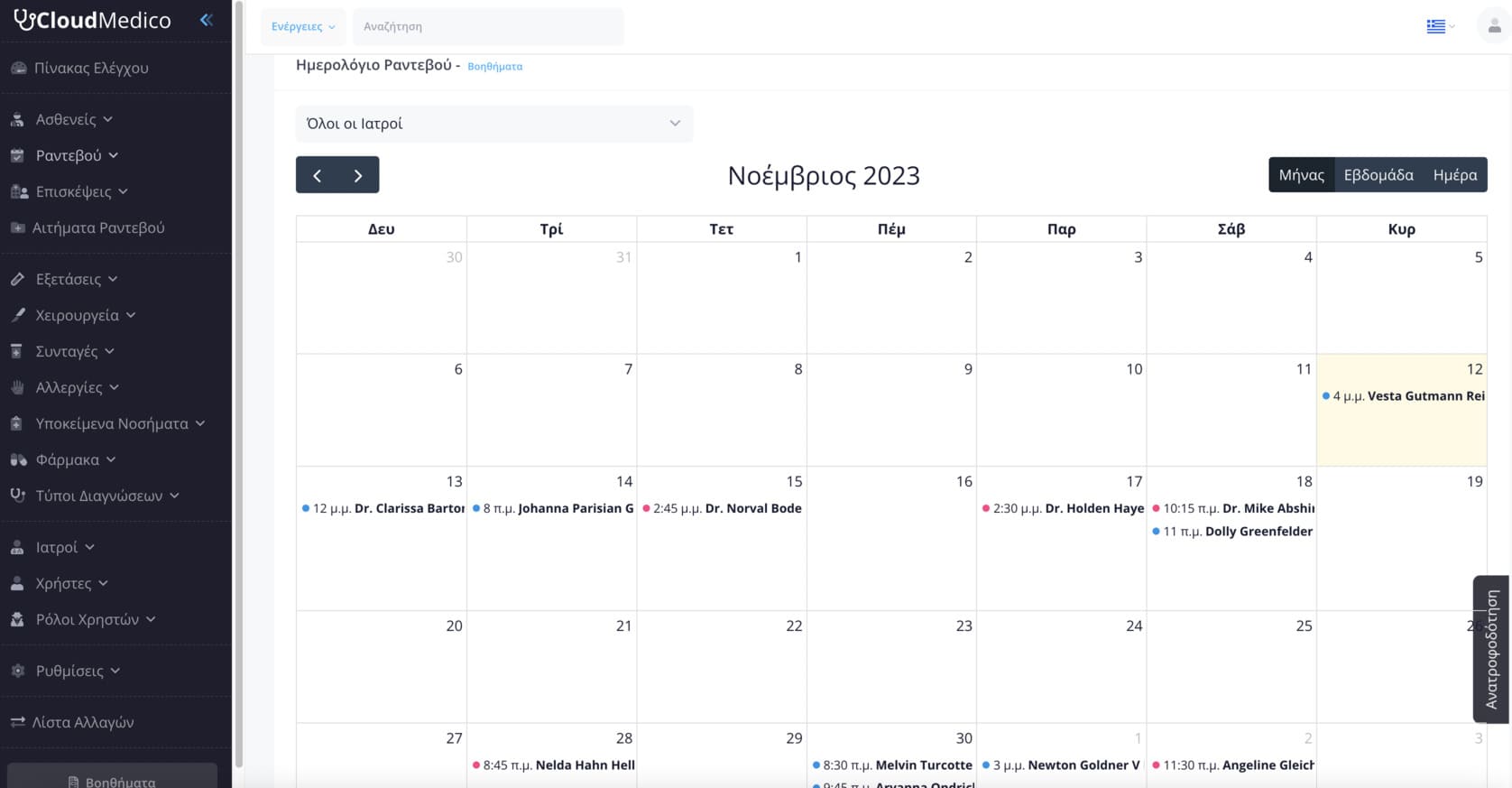
Εύκολη Διαχείριση Ραντεβού
Τελευταία από το ιστολόγιο
Διαβάστε όλα τα τελευταία νέα μας και δείτε τις απόψεις μας για ορισμένα θέματα του κλάδου.

Τι είναι το MCP στην Υγεία; Οδηγός για Ιατρούς και Ιατρεία

Συνδέστε με ασφάλεια το ChatGPT και το Claude με το EHR σας μέσω του CloudMedico